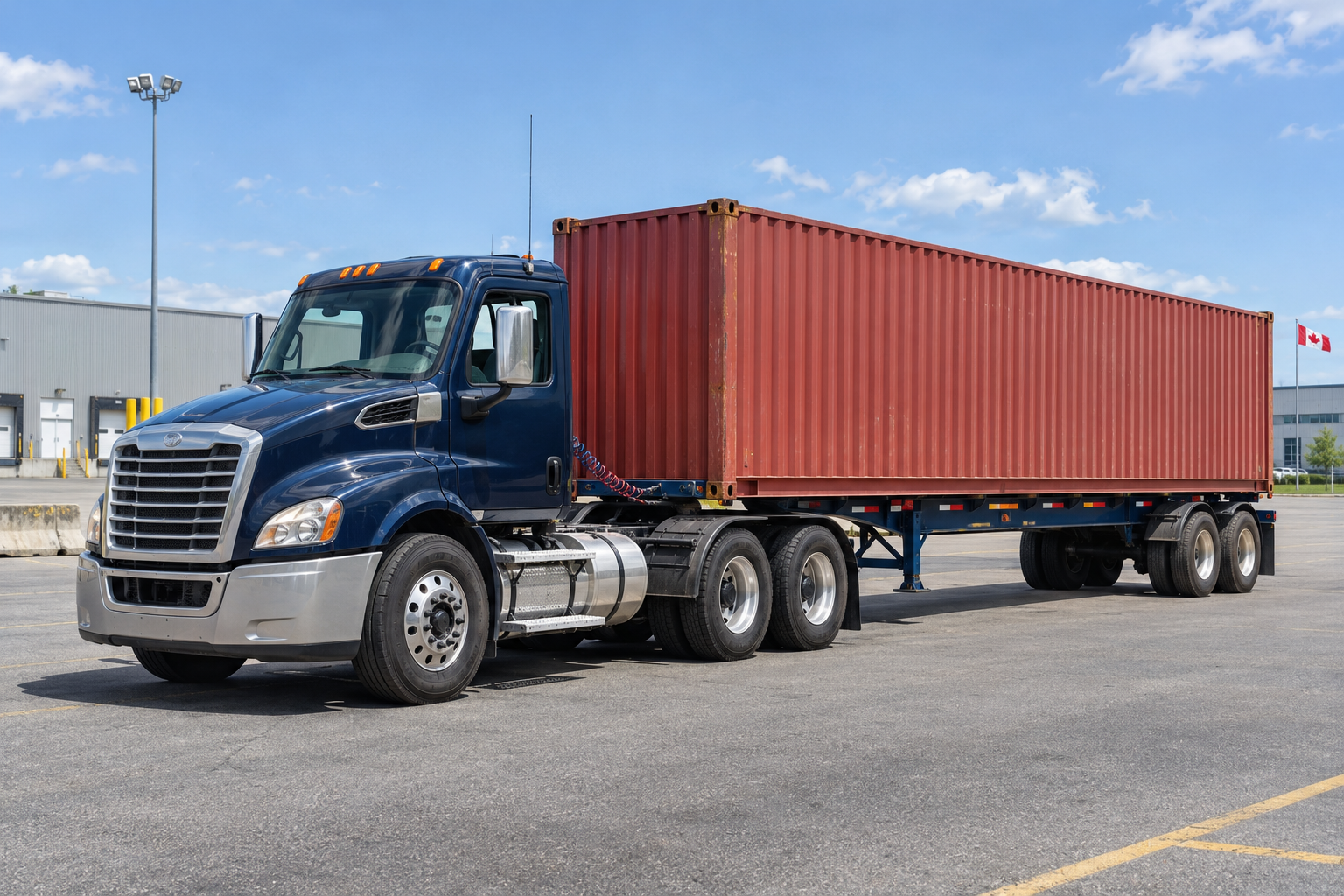
The pallet question usually comes up at the worst possible moment. The container is backed into the dock, the doors are open, and the pallets your supplier promised would fit are either leaning against each other or sitting on the floor because they were too tall to go through the doors.
We load and unload containers at our facility in Kleinburg every week, so here are the numbers we actually work with, plus the things that change them: pallet size, weight, height and how the pallets are turned.
Quick answer: pallets per container
The figures below are for single-tier loading. Exact counts depend on the pallet footprint and on whether the load can be turned or pinwheeled.
| Equipment | Approx. inside length | North American pallets (48" x 40") | Euro pallets (1200 x 800 mm) |
|---|---|---|---|
| 20' standard container | 19'4" (5.9 m) | 9 to 10 | 11 |
| 40' standard or high cube | 39'5" (12.0 m) | 20 to 21 | 23 to 24 |
| 45' high cube | 44'5" (13.6 m) | 24 | 26 to 27 |
| 53' dry van trailer (for comparison) | about 52'6" (16 m) | 26 straight, up to 30 turned | about 33 |
Highlighted: the 40' container, the size most GTA importers ship in. Counts assume single-tier loading; turning or pinwheeling pallets can change them.
If you only remember one line, make it the 40': about 20 standard pallets on the floor.
Why a container holds fewer pallets than you'd expect
The limiting factor is width. A standard shipping container is about 7'8" (2.35 m) wide inside. Two 48" x 40" pallets side by side with the 40" edge across take up 80", which fits with room to spare. Turn them the other way and two 48" sides need 96", which doesn't fit. So in most rows you are stuck with two pallets and some wasted space along the walls.
A 53' trailer is a little over 8' wide inside, and that small difference is why a trailer can take pallets turned two across and reach 30. It is also why freight that comes off three 40' containers can often go out on two 53' trailers after transloading, which cuts your delivery cost per pallet.
Weight usually runs out before floor space in a 20'
A 20' container full of tile, paper, steel parts or bottled drinks will often hit its weight limit with half the floor still empty. That is normal and is the reason heavy freight tends to ship in 20s while lighter, bulkier freight goes in 40s and 45s.
Two weight limits matter. The container itself has a maximum gross weight printed on the door. Then there is what can legally go down Ontario roads on a given chassis, which depends on the chassis and axle setup. Heavier containers may need a tri-axle chassis. Tell your drayage carrier the real gross weight when you book, not an estimate, so the right equipment shows up. For export containers, the shipper also has to provide a verified gross mass (VGM) to the steamship line before the container can be loaded on a vessel.
Double stacking: check the door height, not just the ceiling
Stacking pallets two high can double what fits, but only if the freight can take the weight and the pallets clear the opening.
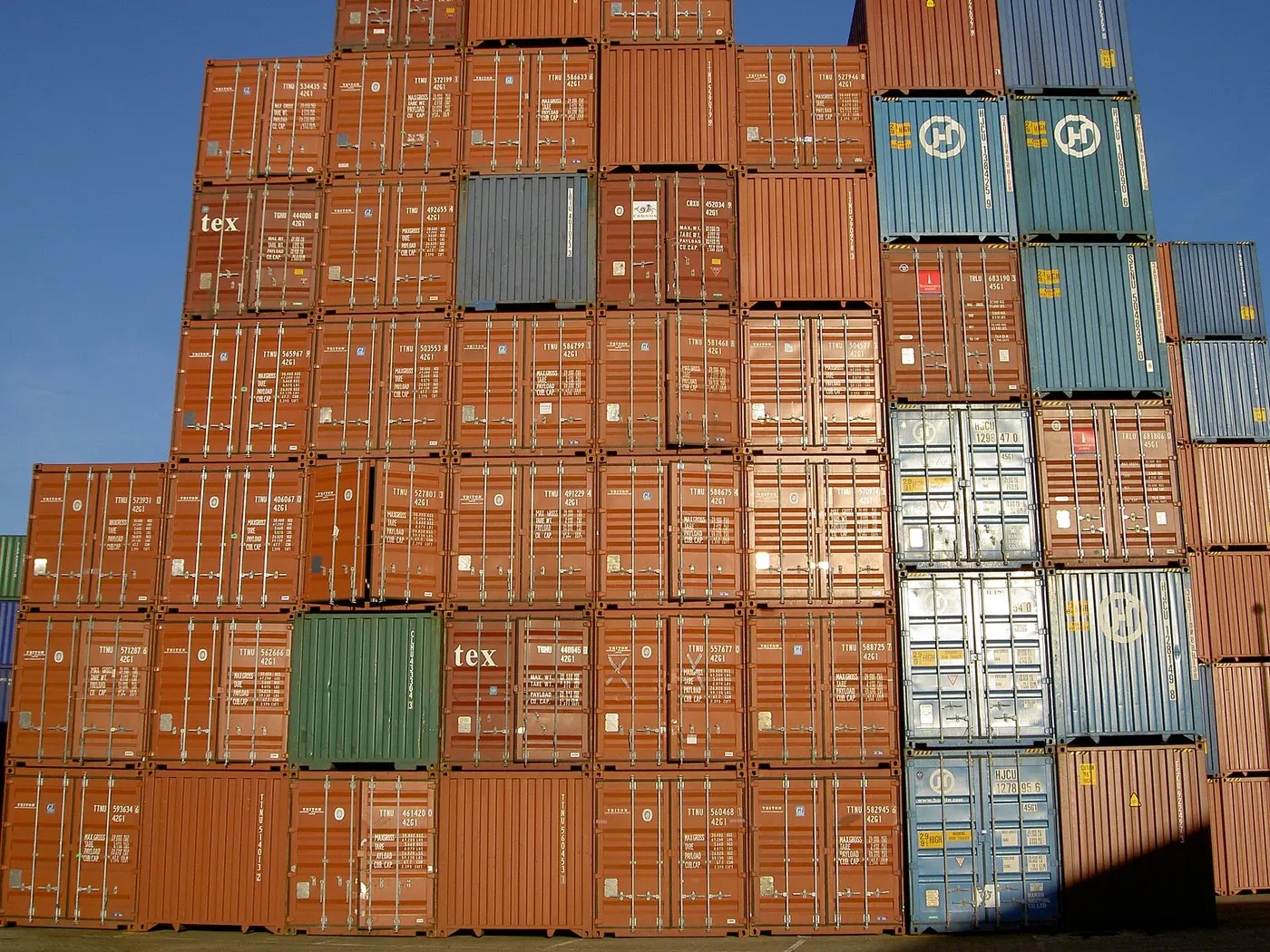
- A standard container is about 7'10" tall inside, but the door opening is only about 7'6".
- A high cube container is about 8'10" inside, with a door opening of about 8'5".
The door is what catches people. Two pallets at 46" each come to 92", which fits inside a standard container but not through its doors. A high cube handles that same stack easily. If your supplier is planning to double stack, ask for the pallet heights before the container is booked, not after it shows up.
Palletized or floor loaded?
Floor loading, where cartons are stacked directly on the container floor, fits more product per container. Many overseas suppliers load this way because it lowers their ocean freight cost per unit. The cost moves to your end. Unloading a floor-loaded 40' by hand can take a crew several hours, and that time turns into waiting-time charges or a dropped container with extra chassis days.
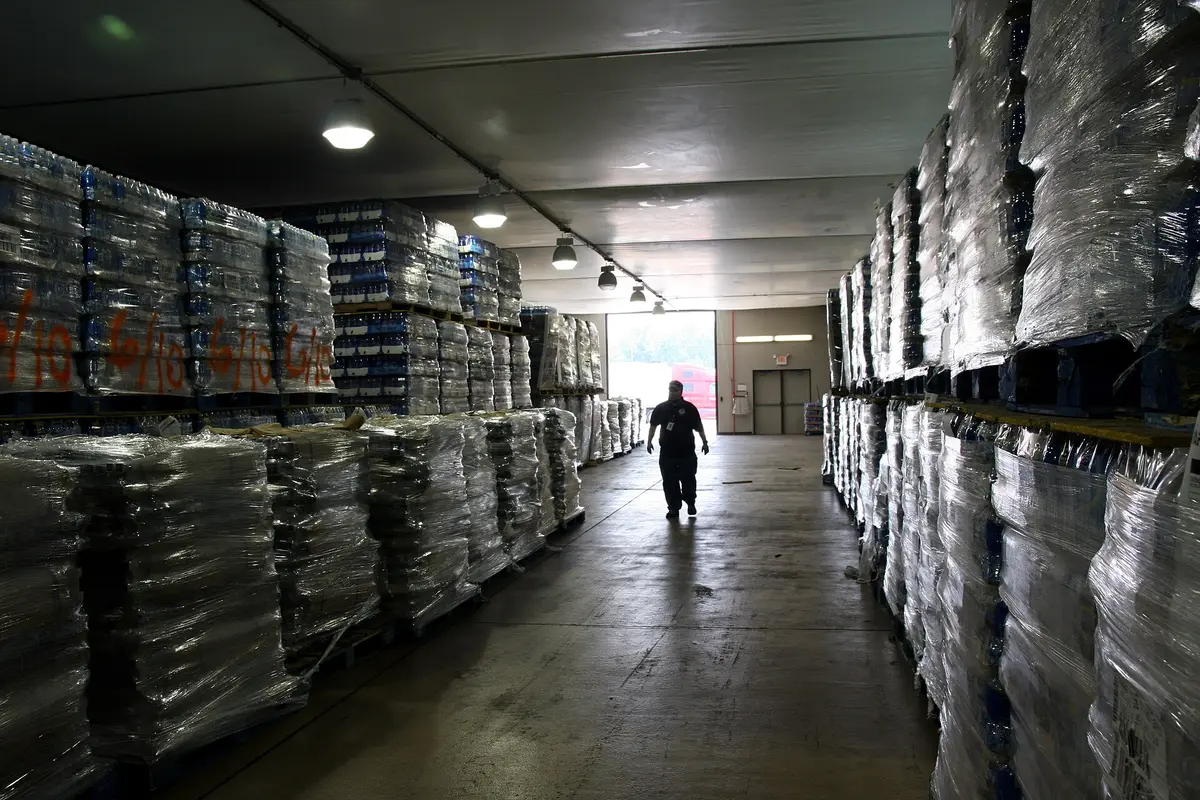
There is a middle option. We can take the container at our facility, unload it with a count and photos, build the cartons onto pallets, shrink wrap them and deliver pallets that your team can take off with a forklift in minutes.
Loading a container for export
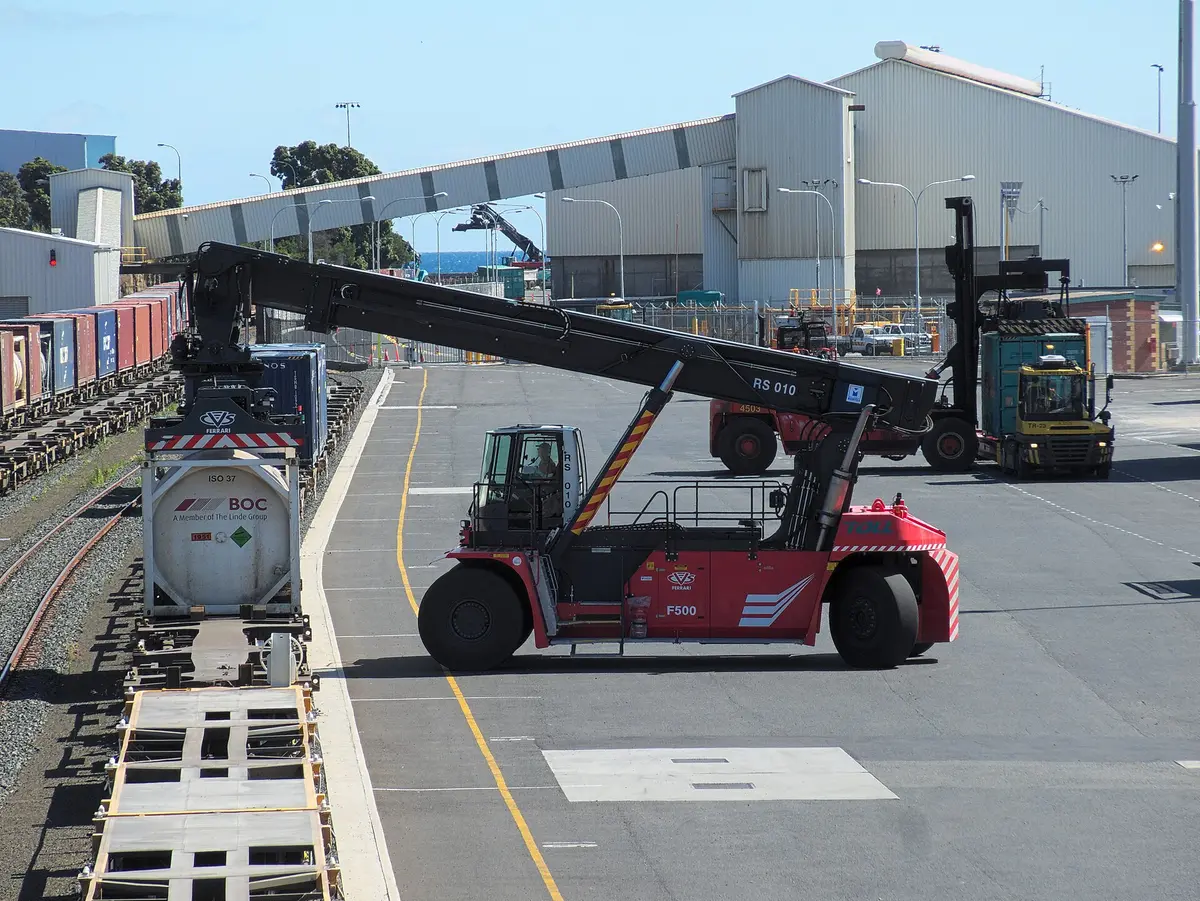
On export moves the work goes the other way. Pallets should sit tight against each other, heavy pallets go on the floor and toward the centre of the container, and any gaps need to be filled or braced so nothing shifts when the container is lifted at the terminal or shunted on the rail line. A load that moves in transit arrives damaged, and the cost of that is a lot higher than a few pieces of dunnage. Our export loading includes bracing, a count, and photos of the load and the seal before the doors are closed.
A quick checklist before you book
- Pallet footprint (48" x 40", Euro or custom) and the height of each pallet.
- Gross weight per pallet and for the whole container.
- Whether the freight can be double stacked.
- Whether the container will be palletized or floor loaded.
- Whether you have a dock and a forklift, or need the container unloaded somewhere else.
Send those five things with your booking and your drayage carrier can tell you the right container, chassis and delivery plan the first time.
How Jaden Express can help
We are a container drayage and warehousing company based on Highway 50 in Kleinburg, between the CN Brampton and CPKC Vaughan intermodal terminals. Along with container drayage across the GTA, we unload and load containers, palletize and shrink wrap freight, transload into 53' trailers and store containers at our yard when your dock isn't ready.
If you have a container coming and you're not sure how it will be loaded or how your site will receive it, call dispatch at 647-233-6600 or request a quote and we'll work it out with you before it arrives.
Related reading
- Floor-Loaded Container Unloading in Toronto: Time, Costs and Your Options
How long hand-unloading really takes and the three ways to handle it. - How to Palletize and Shrink Wrap Freight So It Arrives Intact
Stacking and wrapping rules that keep freight from shifting in transit. - Container Drayage Rates in Toronto: What Your GTA Quote Should Include
What each line on a GTA drayage quote means and how to keep the total down.
Frequently asked questions
How many pallets fit in a 40ft container?
About 20 to 21 standard North American pallets (48" x 40") on the floor, or 23 to 24 Euro pallets. Double stacking can increase that if the freight and the door height allow it.
How many pallets fit in a 20ft container?
Nine to ten standard 48" x 40" pallets, or 11 Euro pallets, single tier. Heavy freight often reaches the weight limit before the floor is full.
Does a 40ft high cube hold more pallets than a standard 40ft?
Not on the floor. Both have the same length and width. The high cube is about a foot taller, so it only holds more when pallets are double stacked or are taller than a standard container's door opening.
How many pallets fit in a 53ft trailer?
About 26 standard pallets loaded straight, and up to 30 when they can be turned. That is why transloading from containers into 53' trailers can reduce the number of trucks needed for final delivery.
Can you palletize a floor-loaded container for me?
Yes. We unload floor-loaded containers at our Kleinburg facility, build and shrink wrap the pallets, and deliver them to your site.