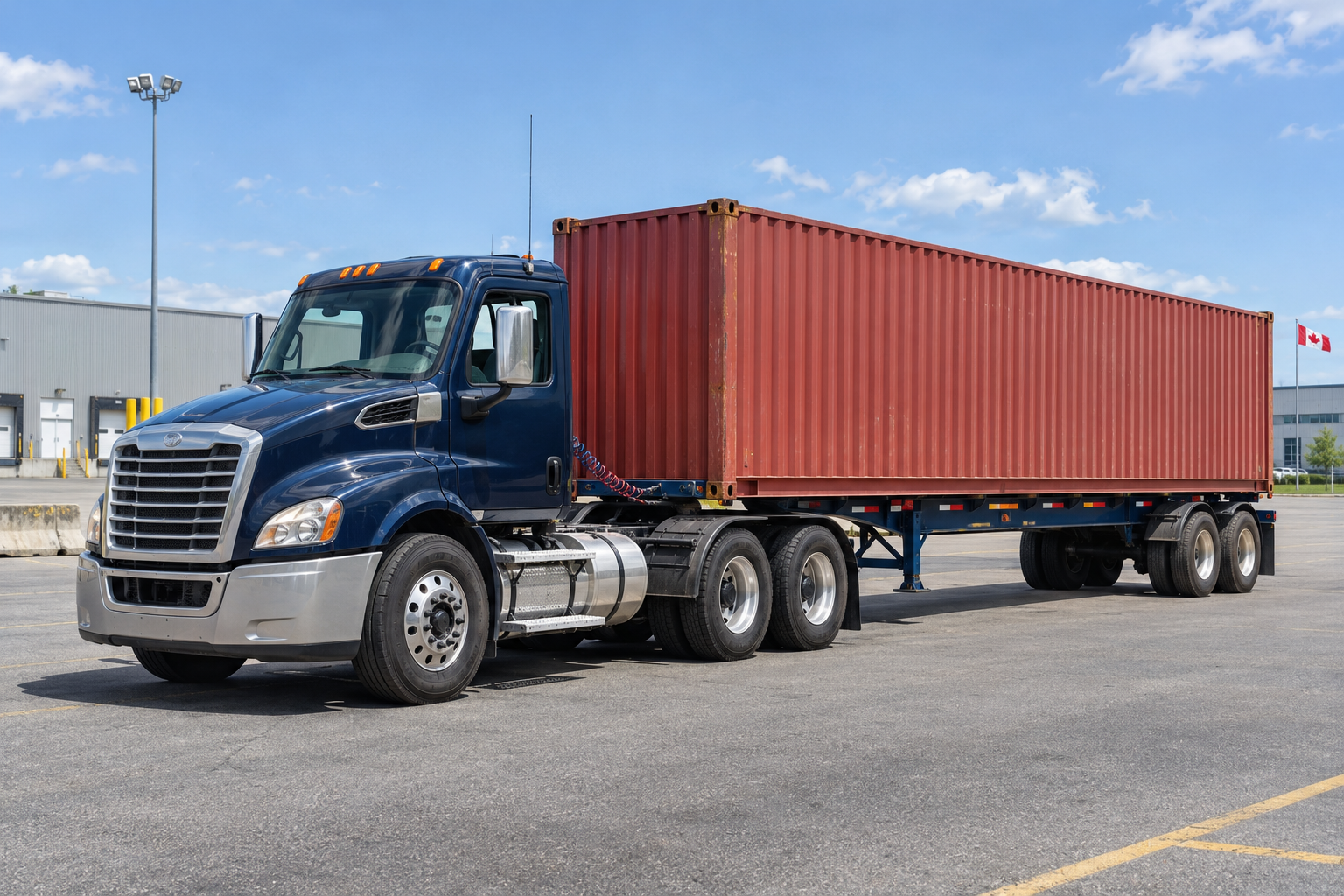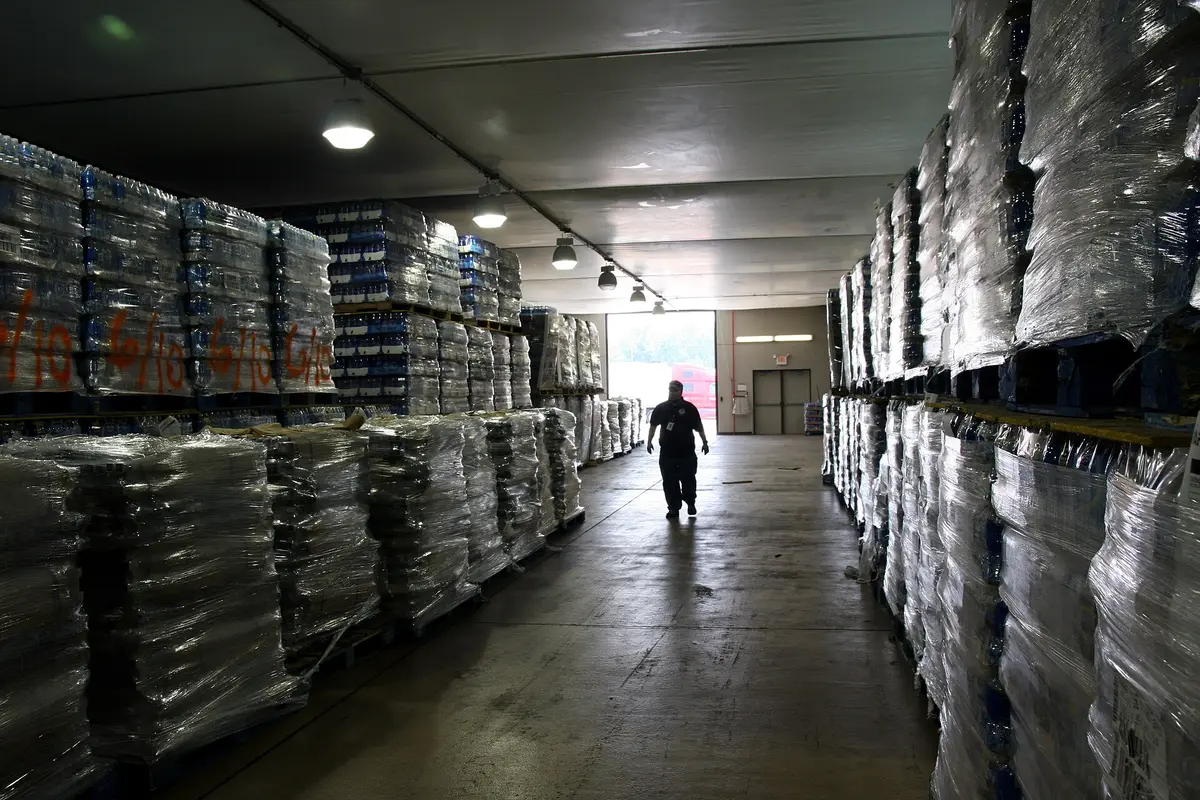
Here is a situation we see every week. A container is available at the rail terminal, the free time is running out, and the warehouse it's going to is full, closed for a stocktake or just not ready. Leave it at the ramp and terminal storage starts. Deliver it anyway and it sits in a parking lot on a chassis while the meter runs on that too.
The usual answer is a pre-pull: the trucker picks up the container before it can be delivered and holds it at their own yard. Done at the right time, it's one of the cheapest ways to protect yourself from storage charges. Done at the wrong time, it's an extra move you didn't need to pay for. This guide explains how it works and when it makes sense.
What is a container pre-pull?
A pre-pull is a move from the terminal or port to the drayage carrier's yard instead of straight to your door. The container is either kept on a chassis or grounded (lifted off and set down in the yard), then delivered to you later, usually as a separate trip on the day you choose.
You pay for the pre-pull move itself and daily yard storage, and in exchange the terminal storage clock stops the moment the container leaves the gate.
When a pre-pull saves you money
- Your dock or warehouse can't take the container before the last free day.
- Several containers arrive together and you can only unload one or two a day.
- The receiver only takes deliveries at set times, such as early morning appointments, that are hard to hit with a same-day terminal pull.
- The terminal is congested and pickup times are unpredictable. Getting the container out early takes that risk off the table.
- A holiday weekend falls inside the free time window.
In each of these cases, terminal storage would usually cost more than the pre-pull and a few days at a yard. And terminal storage rates tend to rise the longer a container stays.
When you don't need one
If your dock can receive the container within the free time and the receiver works with normal appointments, a pre-pull is just an extra move. Book a direct delivery instead. The same goes for very short storage needs that a drop at your own dock would cover, provided you have space and the chassis days make sense.
Yard storage vs terminal storage
Terminal storage is set by the railway or port. The rates are fixed, there's no negotiating them, and the container can be relocated within the terminal or to an off-site location when things get busy, which can slow your eventual pickup.
Yard storage is set by your carrier. You know where the container is, the rate is agreed up front and quoted daily, and the carrier can deliver it on short notice because it's already in their yard. That flexibility is the main reason importers use it.
| Terminal storage | Carrier yard storage | |
|---|---|---|
| Who sets the rate | The railway or port | Your carrier, agreed up front |
| Where the container is | Can be moved within the terminal or off-site | You know exactly where it is |
| Delivery flexibility | Depends on terminal pickup times | Short notice, straight from the yard |
| Extra cost to use it | None until free time ends, then daily storage | Pre-pull move plus daily storage |
| Stops terminal storage? | No | Yes, from the moment it leaves the gate |
| Stops per diem? | No | No |
One thing yard storage does not stop is per diem. The steamship line still charges for its equipment until the empty is returned, whether the container sits at a terminal, in a yard or at your dock. If per diem is your bigger exposure, the fix is to unload faster, or to transload the freight so the container can go back empty while your goods wait in a warehouse. Our guide to last free day, per diem and demurrage covers the difference in more detail.
Grounded or on chassis?
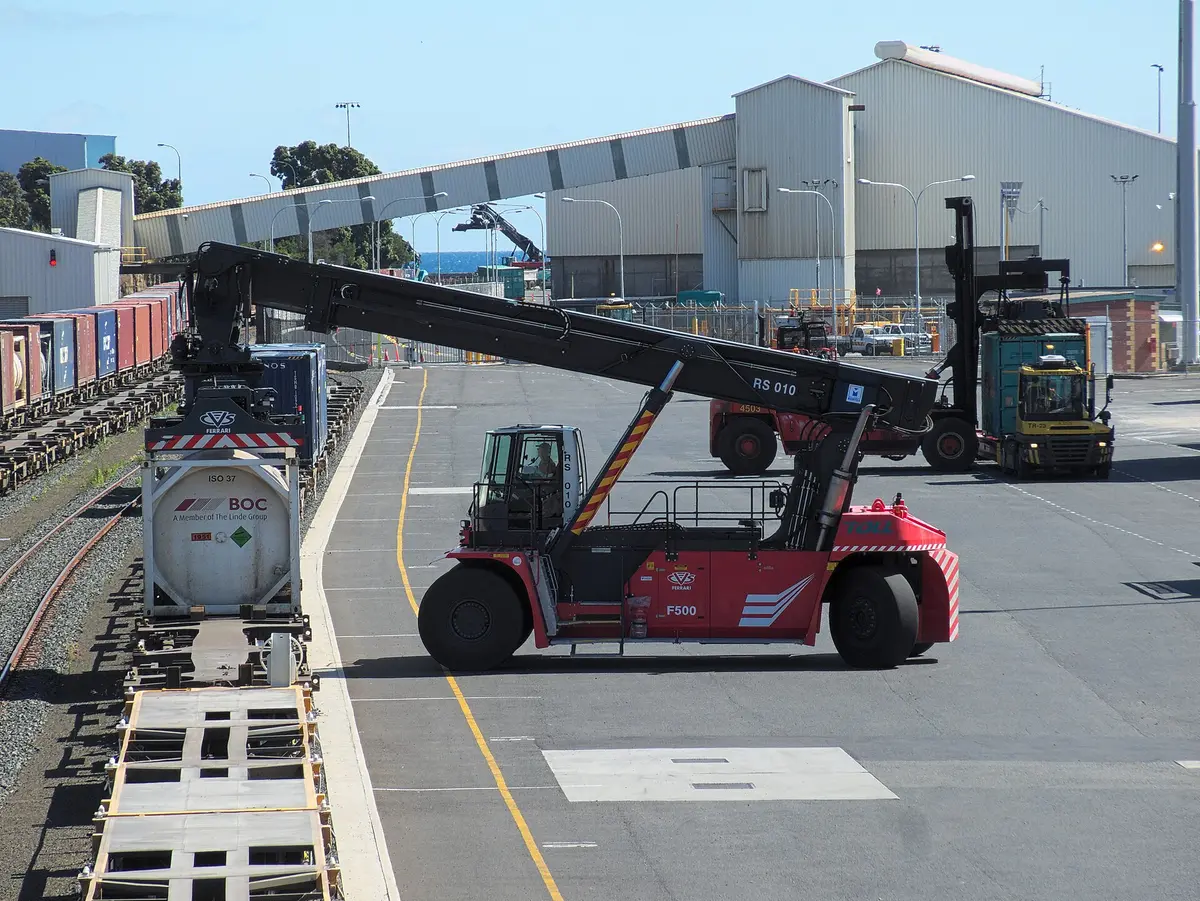
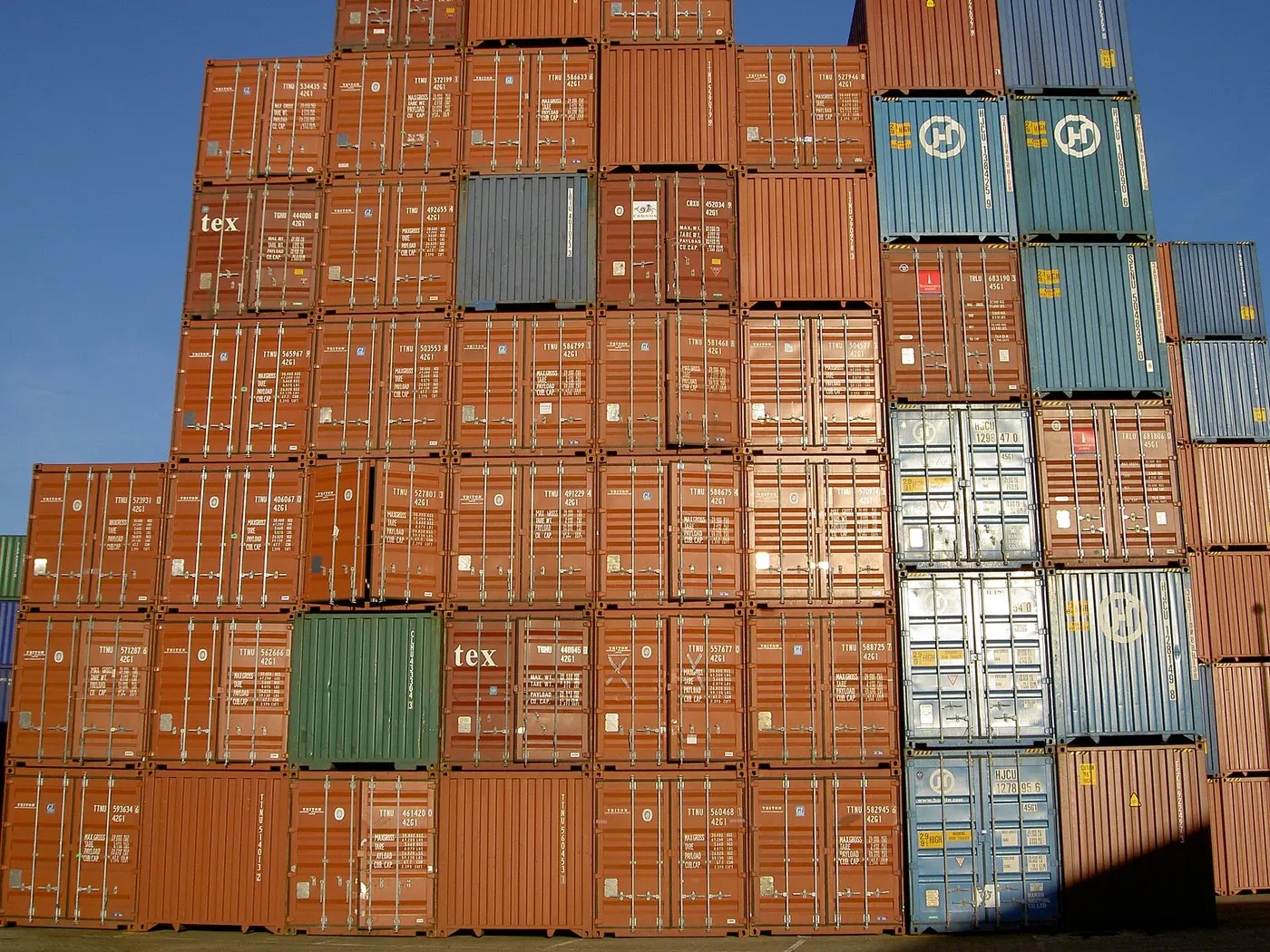
A container held on a chassis is ready to go the moment you call, but you pay chassis days for every day it sits. A grounded container is lifted off the chassis with a reach stacker and stored on the ground, which frees the chassis and usually lowers the daily cost. It then needs a lift back onto a chassis on delivery day.
For anything more than a day or two, grounding normally works out cheaper. We have our own lift equipment at the Kleinburg yard, including reach stackers, so we can ground and stack containers ourselves without waiting on a third party.
What to ask before booking a pre-pull
- What is the daily storage rate, and is it charged per calendar day or per business day?
- Is the pre-pull move priced separately from the final delivery?
- Will the container be grounded or kept on a chassis, and what does the lift cost?
- How much notice do you need to deliver from the yard?
- Is the yard secure, and will I get photos of the container and seal when it arrives?
A carrier who answers these clearly and puts them on an itemized quote is one you can plan around.
Pre-pulls and container storage at Jaden Express
Our yard on Highway 50 in Kleinburg sits close to the CN Brampton and CPKC Vaughan intermodal terminals, so we can pull a container quickly when free time is running out. We store containers loaded or empty, bill storage daily, and handle pre-pulls, stacking, lift on and lift off, and grounding with our own equipment. You can see how it works on our facility and yard page.
If you've got containers coming and a dock that won't be ready, call dispatch at 647-233-6600 or request a quote. We'll tell you whether a pre-pull actually saves you money or whether a direct delivery is the better call.
Related reading
- GTA Intermodal Terminals: A Guide to CN Brampton, CN Malport and CPKC Vaughan
Where CN Brampton, CN Malport and CPKC Vaughan are and how to plan a smooth pickup. - Container Drayage Rates in Toronto: What Your GTA Quote Should Include
What each line on a GTA drayage quote means and how to keep the total down. - Floor-Loaded Container Unloading in Toronto: Time, Costs and Your Options
How long hand-unloading really takes and the three ways to handle it.
Frequently asked questions
What does pre-pull mean in drayage?
A pre-pull is when the drayage carrier picks up a container from the terminal before it's delivered and holds it at their yard. It's usually done to avoid terminal storage charges when the receiver isn't ready.
Is yard storage cheaper than terminal storage?
Usually, especially once a container has been at the terminal for a few days past its free time. Compare the daily yard rate plus the pre-pull charge against the terminal's storage rate for the number of days you need.
Does a pre-pull stop per diem charges?
No. Per diem is charged by the steamship line until the empty container is returned. A pre-pull stops terminal storage only.
Can you store an empty container?
Yes. We store loaded and empty containers at our Kleinburg yard and bill storage daily.
How fast can you deliver a container from your yard?
Because the container is already in our yard, delivery can usually be scheduled on short notice. Call dispatch with your preferred date and we'll confirm a time.